

Chrome Extension Settings Page UX: Design Patterns from uBlock Origin, Dark Reader, and Tampermonkey

Most Chrome extensions die quietly. Not from a bad idea. Not from buggy code.
They die because a user opened the settings page, saw 47 unlabeled toggles, closed the tab, and uninstalled three days later.
You’ve probably felt this yourself - opening an extension’s options page and immediately feeling that low-grade dread of a cockpit you weren’t trained to fly. No hierarchy. No guidance. No sense of what’s safe to touch. You close it, use the extension at 30% of its capability, and eventually forget it exists.
The extensions that retain users treat settings as a product feature, not an afterthought. uBlock Origin has 40 million users. Dark Reader has 5 million. Tampermonkey has 10 million. None of them built their user bases on features alone - they survived because their settings pages don’t make users feel stupid.
Here’s what they actually do differently, and how to apply it to your extension.
The First Decision: Options Page vs. Popup
Before you write a single line of settings UI, you need to answer one question: where do these settings live?
The Chrome extension ecosystem gives you two primary surfaces:
- Popup (
browser_action/action): Opens from the toolbar icon. Temporary, contextual, fast. - Options page: A dedicated full tab. Persistent, comprehensive, discoverable via right-click → “Options.”
The rule of thumb that actually works in practice:
| Setting Count | Recommended Surface |
|---|---|
| 1-3 quick toggles | Popup |
| 4+ settings, any categorization | Full options page |
| Mix of quick + deep config | Popup for top 2-3, options page link for the rest |
Dark Reader nails this split. Its popup shows the 3 controls you touch every session (on/off, brightness, contrast). The full settings page handles site-specific rules, custom CSS, and scheduled dark mode. You never open the full page unless you want to.
The failure mode: cramming 15 settings into a popup because “it’s simpler.” It’s not simpler. It’s just smaller and harder to read.
Progressive Disclosure: The Pattern That Reduces Cognitive Load by 25%
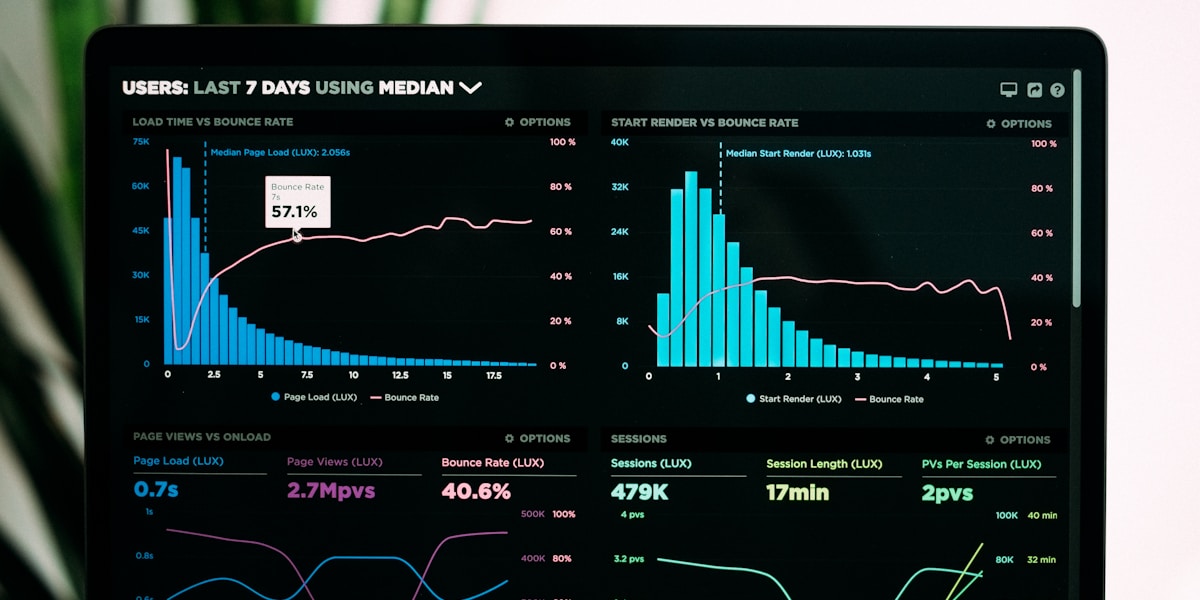
Progressive disclosure is the practice of showing only what users need right now, with the option to reveal more on demand.
Research across web applications consistently shows a ~25% reduction in perceived cognitive load when advanced options are hidden behind an expandable section rather than displayed alongside basic controls. For extensions specifically - where you’re competing for attention with the actual webpage a user was trying to use - this matters enormously.
The implementation pattern:
General Settings (always visible)
  ├── Enable extension on startup
  ├── Show notifications
  └── [+ Advanced Settings]  ← collapsed by default
        ├── Custom user agent
        ├── Request timeout (ms)
        └── Debug logging
In practice, this looks like:
// Store collapsed state per section
const SECTIONS = ['general', 'appearance', 'behavior', 'advanced'];

async function loadSectionStates() {
  const result = await chrome.storage.local.get('sectionStates');
  return result.sectionStates || { advanced: false }; // advanced collapsed by default
}

async function toggleSection(sectionId) {
  const states = await loadSectionStates();
  states[sectionId] = !states[sectionId];
  await chrome.storage.local.set({ sectionStates: states });
  renderSection(sectionId, states[sectionId]);
}
Note the use of chrome.storage.local here, not sync. Section UI state is a local preference - there’s no reason to burn your sync quota on whether a user has the “Advanced” accordion open.
uBlock Origin does this at scale. The dashboard starts with Dashboard → Settings, which shows maybe 6 checkboxes. Want filter lists? That’s a separate tab. Want to write custom filters? Another tab. A new user never sees any of that complexity. A power user has full access. Same codebase, radically different experiences.
Smart Defaults: The Settings No One Should Have to Configure
Here’s a provocative claim: the best setting is one that doesn’t exist.
Every setting you expose is a decision you’re pushing onto your user. Some decisions are worth pushing. Most aren’t. Before you add a toggle, ask: what’s the right behavior for 90% of users? Just do that.
For the settings that do need to exist, smart defaults remove the burden of first configuration:
const DEFAULT_SETTINGS = {
  enabled: true,              // Extension should work out of the box
  theme: 'system',            // Respect OS preference, not your preference
  notifications: true,        // Users can opt out; default to informed
  syncEnabled: true,          // sync is why they installed a Chrome extension
  checkInterval: 60,          // minutes; reasonable for most use cases
  advancedMode: false,        // Never start users in advanced mode
};

async function getSettings() {
  const stored = await chrome.storage.sync.get(DEFAULT_SETTINGS);
  // chrome.storage.get merges defaults automatically when keys are missing
  return stored;
}
The chrome.storage.sync.get(defaults) pattern is elegant: any key present in the defaults object that’s missing from storage gets filled with the default value. New settings you add in future versions automatically appear with the right value for existing users without a migration script.
chrome.storage.sync: What They Don’t Tell You in the Docs

chrome.storage.sync is how your users’ settings follow them across devices. It’s also where most extension developers hit their first hard limits.
The quotas Chrome enforces:
| Limit | Value |
|---|---|
| Total storage | 100 KB |
| Per-item size | 8 KB |
| Items per call | 512 |
| Write operations/hour | 1,800 |
100 KB sounds like plenty until you’re storing per-site rules, custom CSS, or user-generated content. Here’s a real-world storage architecture that handles scale:
// Split settings by sync priority
const SYNC_SETTINGS = ['enabled', 'theme', 'notifications', 'keyboardShortcuts'];
const LOCAL_SETTINGS = ['cache', 'siteRules', 'customCSS', 'debugLogs'];

async function saveSettings(settings) {
  const syncData = {};
  const localData = {};

  for (const [key, value] of Object.entries(settings)) {
    if (SYNC_SETTINGS.includes(key)) {
      syncData[key] = value;
    } else {
      localData[key] = value;
    }
  }

  await Promise.all([
    Object.keys(syncData).length && chrome.storage.sync.set(syncData),
    Object.keys(localData).length && chrome.storage.local.set(localData),
  ].filter(Boolean));
}
For large data (> 80 KB approaching the limit): implement JSON export/import before you hit the wall, not after.
async function exportSettings() {
  const [syncData, localData] = await Promise.all([
    chrome.storage.sync.get(null),
    chrome.storage.local.get(EXPORTABLE_LOCAL_KEYS),
  ]);

  const exportPayload = {
    version: chrome.runtime.getManifest().version,
    exportedAt: new Date().toISOString(),
    sync: syncData,
    local: localData,
  };

  const blob = new Blob([JSON.stringify(exportPayload, null, 2)], {
    type: 'application/json',
  });

  const url = URL.createObjectURL(blob);
  const a = document.createElement('a');
  a.href = url;
  a.download = `extension-settings-${Date.now()}.json`;
  a.click();
  URL.revokeObjectURL(url);
}

async function importSettings(file) {
  const text = await file.text();
  const payload = JSON.parse(text);

  // Version check before import
  if (!payload.version || !payload.sync) {
    throw new Error('Invalid settings file format');
  }

  await chrome.storage.sync.set(payload.sync);
  if (payload.local) {
    await chrome.storage.local.set(payload.local);
  }
}
Tampermonkey has offered script import/export since version 2. It’s not a power user feature - it’s insurance against Chrome profile corruption, and users who discover it become extremely loyal because they know their configuration is safe.
Real Sync Feedback: The UX Nobody Implements
Your users open settings on their work laptop, change something, expect it to appear on their home machine. This is the entire value proposition of chrome.storage.sync.
But most extensions never tell the user anything happened. Settings save silently. Sync happens silently. Users don’t know if it worked.
The minimum viable sync UI:
async function saveSetting(key, value) {
  const statusEl = document.getElementById('sync-status');

  try {
    statusEl.textContent = 'Saving...';
    statusEl.className = 'status saving';

    await chrome.storage.sync.set({ [key]: value });

    statusEl.textContent = 'Synced across devices';
    statusEl.className = 'status success';

    setTimeout(() => {
      statusEl.textContent = '';
      statusEl.className = 'status';
    }, 2500);
  } catch (err) {
    if (err.message.includes('QUOTA_BYTES')) {
      statusEl.textContent = 'Sync storage full. Export your settings to free space.';
    } else {
      statusEl.textContent = 'Save failed. Changes are local only.';
    }
    statusEl.className = 'status error';
  }
}
Handle the quota error explicitly. It’s the most common chrome.storage.sync failure and the one that causes the most user confusion when it happens silently.
Tooltips: +40% Feature Discovery Without Cluttering the UI

The tooltip research finding is worth repeating: contextual help tooltips increase feature discovery by approximately 40% compared to settings pages without inline help.
The implementation is trivial. The discipline is deciding what goes in each tooltip.
Bad tooltip: “Enable dark mode.” (The label already says “Dark Mode.” The tooltip adds nothing.)
Good tooltip: “Overrides the site’s color scheme. Works on most sites, but some sites with custom CSS may need manual adjustments.”
The pattern:
<div class="setting-row">
  <label for="invert-images">
    Invert images in dark mode
    <button class="help-icon" aria-label="Learn more about invert images">?</button>
    <div class="tooltip" role="tooltip">
      When dark mode inverts colors, photos look strange.
      This option re-inverts images to restore natural colors.
      Disable if you use a lot of icons or logos.
    </div>
  </label>
  <input type="checkbox" id="invert-images" />
</div>
Dark Reader applies this throughout - every non-obvious control has a ? icon that explains the actual behavior, not just restates the label.
The Category Structure That Works
Most settings pages fail at organization. Options are grouped by implementation detail (“API Settings,” “Cache Settings”) rather than by user intent. The structure that actually reduces support tickets:
General → Appearance → Behavior → Advanced
General
  ├── Enable/disable extension          (the nuclear option)
  ├── Keyboard shortcut                 (how they'll use it daily)
  └── Startup behavior                  (set once, forget)

Appearance
  ├── Theme (Light / Dark / System)     (immediate visual impact)
  ├── Icon badge                        (toolbar visibility)
  └── Popup size                        (if configurable)

Behavior
  ├── Default action on activation      (the main feature verb)
  ├── Site-specific rules               (exceptions to the rule)
  └── Notifications                     (when to interrupt)

Advanced
  ├── Import / Export settings          (power user safety net)
  ├── Reset to defaults                 (the panic button)
  └── Debug logging                     (for support tickets)
The “Advanced” section deserves special attention. Always put “Reset to defaults” here, not on the main page. Placing it prominently causes accidental resets. Burying it in Advanced means it’s findable but not stumbleable.
Live Preview: Dark Reader’s Killer Feature
Dark Reader does something most extensions don’t bother with: live preview as you drag sliders.
Change the brightness slider - the current tab updates in real time. Change the contrast - instant feedback. You know immediately if you’ve gone too far. This eliminates the “save → look at page → come back → adjust → repeat” loop that makes settings painful.
// Debounced live preview
let previewTimeout;

function handleSliderChange(settingKey, value) {
  clearTimeout(previewTimeout);

  // Apply to current tab immediately (don't save yet)
  chrome.tabs.query({ active: true, currentWindow: true }, ([tab]) => {
    chrome.tabs.sendMessage(tab.id, {
      type: 'PREVIEW_SETTING',
      key: settingKey,
      value: parseFloat(value),
    });
  });

  // Debounce the actual save
  previewTimeout = setTimeout(async () => {
    await chrome.storage.sync.set({ [settingKey]: parseFloat(value) });
    updateSyncStatus('Saved');
  }, 500);
}
The content script receives the preview message and applies styles without waiting for a save confirmation. If the user closes the settings page without moving the slider to a stable position, the timeout never fires and nothing gets saved. Clean.
Per-Script Settings: The Tampermonkey Pattern
Tampermonkey faces a settings challenge most extensions don’t: settings that exist per user script, not globally. Their solution scales to thousands of scripts per user.
The core pattern:
// Settings schema: global defaults + per-entity overrides
const SETTINGS_SCHEMA = {
  global: {
    enabled: true,
    updateCheck: 'daily',
    editorTheme: 'default',
  },
  perScript: {
    // scriptId → overrides
    // Only store deltas from global defaults
  },
};

async function getScriptSetting(scriptId, key) {
  const settings = await chrome.storage.sync.get('settings');
  const perScript = settings?.settings?.perScript?.[scriptId];

  // Per-script override takes precedence, falls back to global
  return perScript?.[key] ?? settings?.settings?.global?.[key] ?? DEFAULT_SETTINGS[key];
}

async function setScriptSetting(scriptId, key, value) {
  const stored = await chrome.storage.sync.get('settings');
  const settings = stored.settings || SETTINGS_SCHEMA;

  if (!settings.perScript[scriptId]) {
    settings.perScript[scriptId] = {};
  }

  // Only store if different from global default
  if (value === settings.global[key]) {
    delete settings.perScript[scriptId][key];
  } else {
    settings.perScript[scriptId][key] = value;
  }

  await chrome.storage.sync.set({ settings });
}
The key insight: store only deltas from defaults, not full copies. If every script stored a full settings object, you’d hit the 100 KB limit after a handful of scripts. Storing only overrides keeps the footprint proportional to customization, not to scale.
The Four Settings Anti-Patterns Killing Your Retention

1. Settings overload on first open. If a user opens your options page for the first time and sees more than 10 visible controls, you’ve failed the first impression. Use progressive disclosure.
2. No search for large settings pages. Any page with more than 15 settings needs a search input. The implementation is a simple filter:
document.getElementById('settings-search').addEventListener('input', (e) => {
  const query = e.target.value.toLowerCase();
  document.querySelectorAll('.setting-row').forEach((row) => {
    const text = row.textContent.toLowerCase();
    row.style.display = text.includes(query) ? '' : 'none';
  });
});
3. Lost settings on update. This one gets extension developers one-star reviews. Never wipe chrome.storage.sync on update. Use the version-migration pattern:
chrome.runtime.onInstalled.addListener(async ({ reason, previousVersion }) => {
  if (reason === 'update') {
    await migrateSettings(previousVersion, chrome.runtime.getManifest().version);
  }
});

async function migrateSettings(from, to) {
  // Only run migrations for the versions that need them
  const migrations = {
    '1.x': migrateV1toV2,
    '2.x': migrateV2toV3,
  };
  // ...apply relevant migrations in order
}
4. Silent sync with no feedback. Covered above, but worth repeating: if your settings page has no visual confirmation of save/sync, your users don’t trust it.
Measuring Settings UX: What to Track
If you’re using ExtensionBooster or any analytics tool with your extension, these are the settings-specific events worth instrumenting:
settings_openedwithsource(popup link vs. right-click menu)setting_changedwithkeyandsection(which settings get touched most)advanced_section_expanded(how many users go deeper)settings_exported(proxy for user trust and investment)settings_reset(signal that something went wrong)
The setting_changed event will surprise you. In most extensions, 80% of users only ever change 2-3 settings. That data tells you which controls deserve prominence and which deserve the Advanced section.
The Settings Page Checklist
Before shipping:
- Settings load in under 200ms (read from storage, render, done)
- Save confirmation visible within 300ms of any change
- Sync quota error handled with user-readable message
- Import/export implemented before reaching 80 KB
- Default values sensible for first-time users
- Advanced section collapsed by default
- Keyboard accessible (Tab order, Enter/Space for toggles)
- Reset to defaults in Advanced section, not the main page
- Tooltips on any non-obvious control
- Settings survive extension update without data loss
The extensions with 40 million users didn’t get there by accident. They treated every surface - including the settings page most users barely open - as a product decision worth making deliberately.
Your settings page is where power users are made. Get it right, and you convert casual installers into advocates who tell their friends “you need to configure this one thing.” Get it wrong, and you’re one confusing options page away from an uninstall.
The patterns are proven. The APIs are documented. The gap is execution - and now you have the playbook.
Want to see how your extension’s settings engagement compares against top extensions in your category? ExtensionBooster tracks settings interaction rates, drop-off points, and sync success metrics so you can optimize based on real user behavior, not guesswork.
Share this article
Build better extensions with free tools
Icon generator, MV3 converter, review exporter, and more — no signup needed.
Related Articles
Building Accessible Chrome Extensions: Keyboard, Screen Reader, and WCAG Compliance
26% of US adults have disabilities. Make your Chrome extension accessible with focus traps, ARIA, keyboard nav, and WCAG 2.1 AA compliance.
Android App Onboarding UX: 7 Patterns That Cut Churn by 50%
97.9% of Android users churn by Day 30. These onboarding UX patterns from Duolingo, Headspace, and Notion fight back with data-proven results.
I Built the Same Chrome Extension With 5 Different Frameworks. Here's What Actually Happened.
WXT vs Plasmo vs CRXJS vs Extension.js vs Bedframe. Real benchmarks, honest opinions, and the framework with 12K stars that's quietly dying.